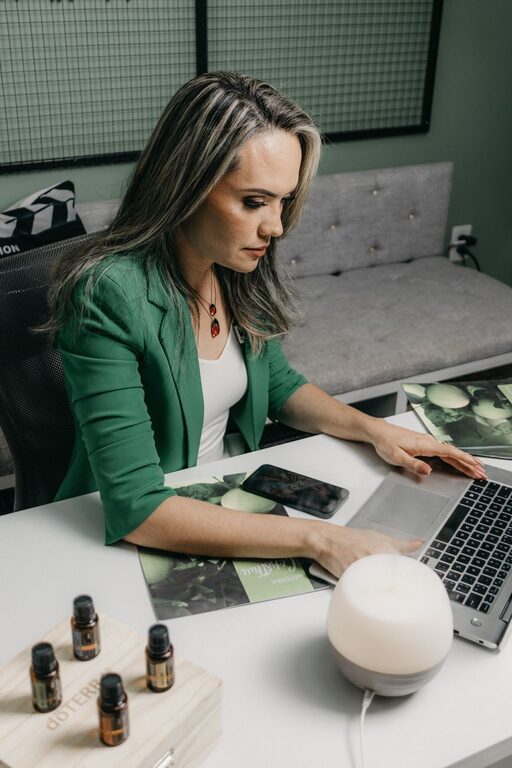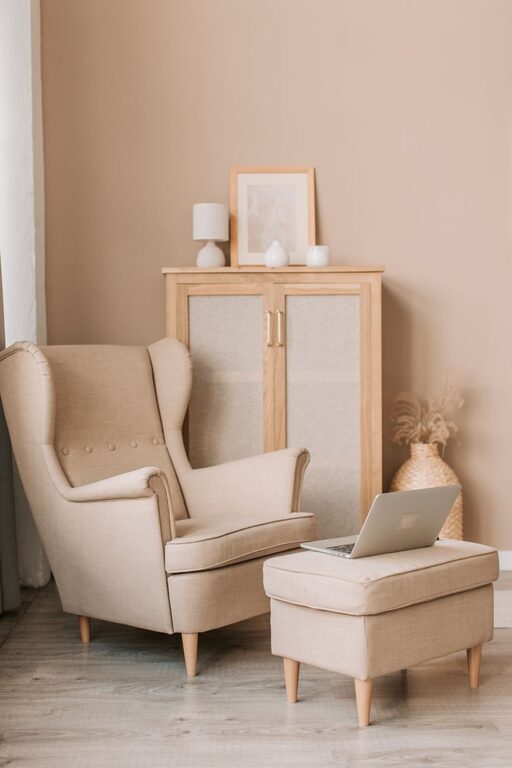
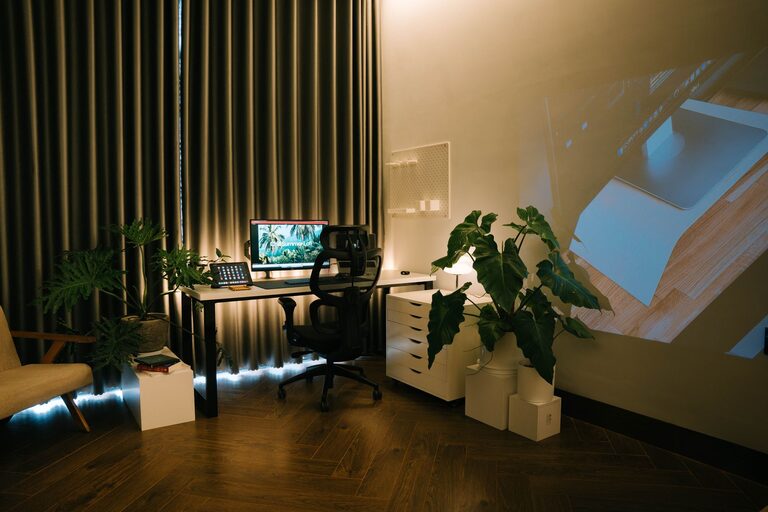
Creating a relaxing home workspace is essential for maintaining focus, reducing stress, and boosting productivity. Whether you work remotely full-time or occasionally need a quiet spot, a thoughtfully designed area can make a significant difference. Here are some practical tips to help you create a comfortable and productive workspace right at home.
Choose the Right Location
Find a Quiet Spot
Select a place in your home where you can minimize distractions. It might be a spare room, a corner of your living room, or even a nook near a window. Avoid high-traffic areas if possible, as noise and interruptions can hinder concentration.
Maximize Natural Light
Natural light can greatly improve mood and energy levels. Position your desk near a window to take advantage of daylight. If natural light is limited, use soft, warm artificial lighting to avoid eye strain.
Invest in Comfortable Furniture
Select an Ergonomic Chair
An ergonomic chair supports your posture and reduces the risk of back and neck pain. Look for adjustable features such as seat height, lumbar support, and armrests to customize the chair for your comfort.
Choose a Suitable Desk
Your desk size should accommodate your work essentials without feeling cramped. Standing desks or adjustable desks can offer flexibility, allowing you to switch between sitting and standing, promoting better circulation.
Organize Your Space Effectively
Keep Essentials Within Reach
Arrange your most used items—like your computer, notebook, and pens—within easy reach. This minimizes interruptions during work and helps maintain focus.
Use Storage Solutions
Clutter can be distracting and stressful. Use shelves, drawers, or organizers to keep paperwork and supplies neatly stored. Labeling storage containers can also save time when looking for items.
Cable Management
Tidy cables with clips or sleeves to prevent tangling and accidental unplugging. A clean desk surface fosters a serene work environment.
Incorporate Soothing Elements
Add Plants
Indoor plants improve air quality and add a touch of nature, creating a calming atmosphere. Choose low-maintenance plants like succulents, snake plants, or pothos.
Use Calming Colors
Soft, neutral colors like light blue, green, or beige tend to promote relaxation and focus. Avoid overly bright or distracting colors for walls and decor.
Personalize Thoughtfully
Include meaningful artwork, photographs, or inspirational quotes that motivate you without cluttering your workspace. Keep personal items minimal to maintain a professional feel.
Manage Technology Wisely
Use Quality Equipment
Reliable technology reduces frustration. Invest in a good monitor, keyboard, and mouse to improve work efficiency and comfort.
Limit Distractions
Turn off non-essential notifications during work hours. Consider noise-canceling headphones if you are working in a noisy environment.
Maintain Good Air Quality
Proper ventilation and air circulation help keep you alert and comfortable.
– Open windows periodically to let fresh air in.
– Use air purifiers if needed to reduce allergens and dust.
– Keep your workspace clean to prevent the buildup of irritants.
Establish a Routine
Set Clear Boundaries
Designate your workspace for work activities only to signal your brain to focus when you’re there. Avoid using the same space for relaxation or entertainment.
Take Regular Breaks
Stand up, stretch, or walk around every hour. Breaks help reduce fatigue and keep your mind fresh.
Control Temperature and Noise
Adjust Room Temperature
Keep your workspace at a comfortable temperature — generally between 68-72°F (20-22°C). Use fans or heaters as needed.
Manage Noise Levels
Consider white noise machines or soft background music to block out distracting sounds. If possible, soundproof your workspace with rugs, curtains, or acoustic panels.
Final Thoughts
Creating a relaxing home workspace is about balancing comfort and productivity. By choosing the right location, investing in ergonomic furniture, organizing effectively, and incorporating calming elements, you can design an environment that helps you work efficiently while feeling relaxed and happy. Remember, small changes can make a big difference in your daily work experience. Take the time to personalize your space so it truly supports your well-being and professional goals.