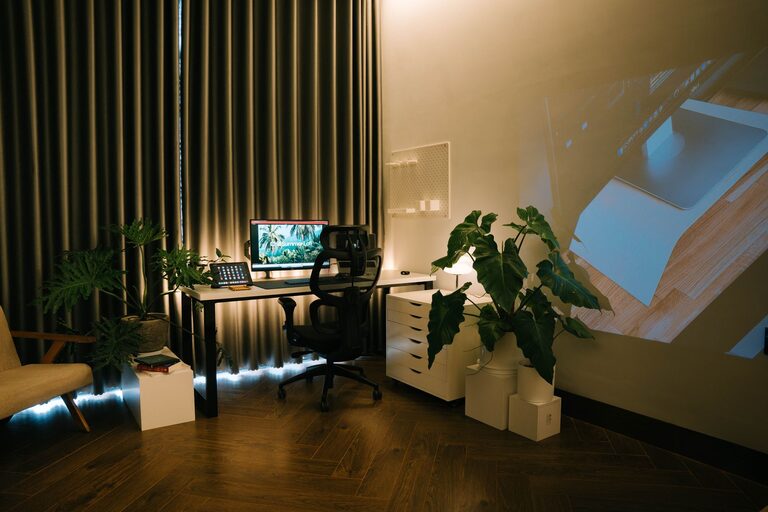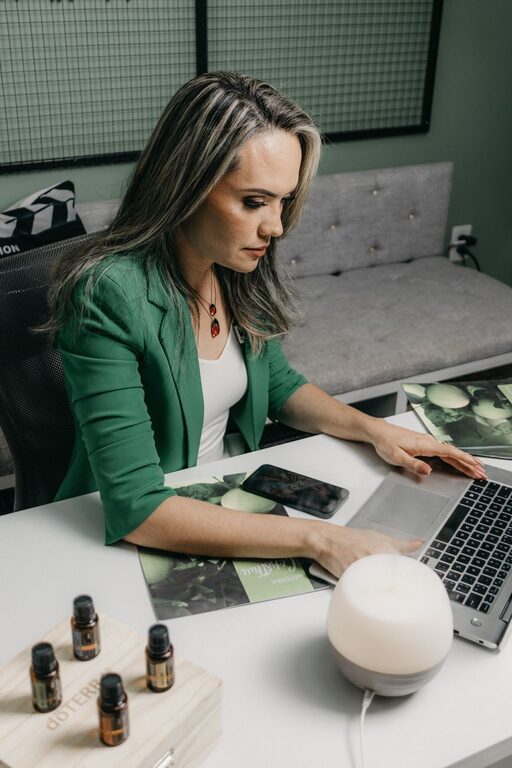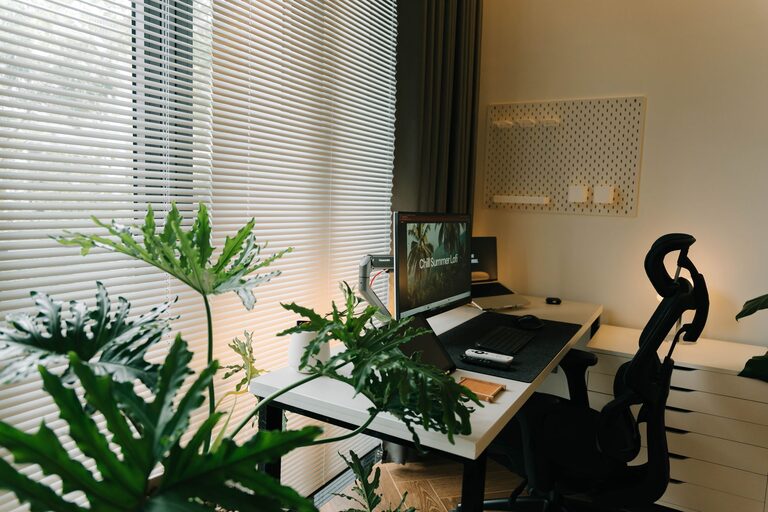

Creating a home workspace that is both relaxing and productive can have a major impact on your work-from-home experience. A well-designed space helps reduce stress, improve focus, and maintain a healthy work-life balance. Whether you’re working remotely full-time or just need a dedicated corner for occasional tasks, these tips will guide you toward setting up an ideal environment.
1. Choose the Right Location
Selecting the right spot for your workspace is fundamental. Here are a few factors to consider:
– Natural Light: Aim for a space near a window. Natural daylight can boost mood and energy levels.
– Low Distractions: Pick an area away from noisy parts of your home to minimize interruptions.
– Privacy: If possible, find a space where you can close a door for meetings or focused work.
If you don’t have a dedicated room, consider using room dividers or screens to create visual separation from the rest of your home.
2. Invest in Comfortable, Supportive Furniture
Your chair and desk directly affect your comfort and productivity.
– Ergonomic Chair: Choose a chair that supports good posture with adjustable height and lumbar support.
– Desk Height: Your desk should allow your arms to rest comfortably at a 90-degree angle while typing.
– Standing Options: Consider a sit-stand desk or a converter if you want to alternate between sitting and standing.
Comfortable furniture helps reduce fatigue and physical strain, enabling longer periods of focus.
3. Keep Your Workspace Organized
Clutter can cause stress and distract you from your work. Use these organization tips:
– Storage Solutions: Use shelves, drawers, or baskets to keep supplies within reach but out of sight.
– Cable Management: Use clips or ties to keep cords tidy and prevent tangling.
– Daily Cleanup: Spend a few minutes at the end of each day clearing your desk.
A tidy workspace supports a clear mind and efficient workflow.
4. Personalize to Promote Relaxation and Inspiration
Adding personal touches can make your workspace inviting and motivating.
– Plants: A small plant or succulent brings life to your space and can improve air quality.
– Artwork or Photos: Display items that inspire you or remind you of positive memories.
– Color Choices: Use calming colors like soft blues or greens for walls or accessories.
Personalization helps create a space you want to spend time in.
5. Manage Lighting for Comfort and Focus
Lighting affects how well you see your work and your overall mood.
– Task Lighting: Use a desk lamp with adjustable brightness for focused tasks.
– Avoid Glare: Position your computer screen and light sources to prevent reflections.
– Ambient Lighting: Soft overhead lights create a balanced atmosphere without harsh shadows.
Proper lighting reduces eye strain and keeps you alert.
6. Establish Boundaries Between Work and Home Life
Since your workspace is at home, it’s important to separate work time from personal time.
– Set Work Hours: Decide on a start and finish time to maintain routine.
– Physical Boundaries: Closing a door or using a partition signals the start and end of work.
– Communication: Let family or housemates know your work schedule to minimize interruptions.
Clear boundaries help you focus during work and relax afterward.
7. Incorporate Break Spaces and Movement
Taking breaks to move or relax is key to productivity.
– Break Area: If space allows, have a small corner with a comfy chair for reading or stretching.
– Movement: Schedule short standing breaks or simple stretches every hour.
– Breathing or Meditation: A few minutes of mindfulness can refresh your mind.
Regular breaks prevent burnout and boost creativity.
8. Use Technology to Enhance Productivity
Technology tools can help you work smarter.
– Noise-Cancelling Headphones: Block out background noise for better focus.
– Productivity Apps: Use timers, task lists, or focus apps to stay on track.
– Reliable Internet: Ensure a strong connection to avoid disruptions.
Select tools that complement your workflow without adding complexity.
Conclusion
Designing a home workspace that feels calm and encourages productivity is all about balance. By choosing a suitable location, investing in ergonomic furniture, keeping your area organized, and personalizing your space, you set yourself up for success. Adding good lighting, setting boundaries, taking regular breaks, and leveraging technology will further help you stay relaxed and focused throughout your workday. With these tips, your home workspace will become a place where you enjoy working and thrive professionally.