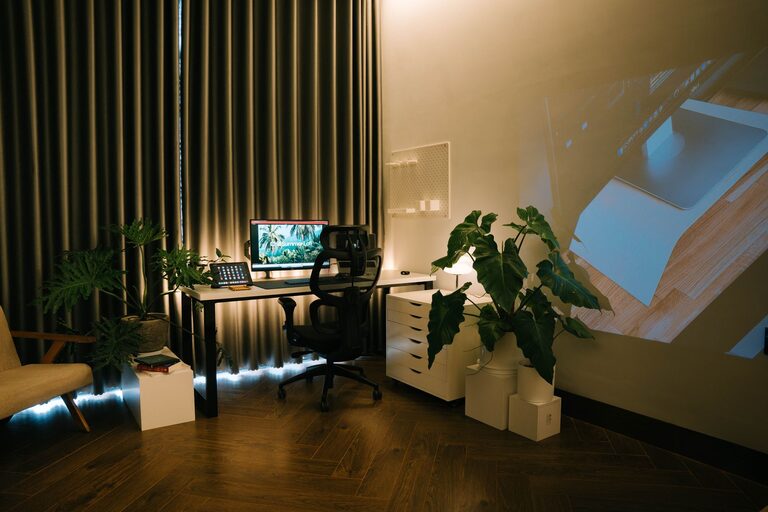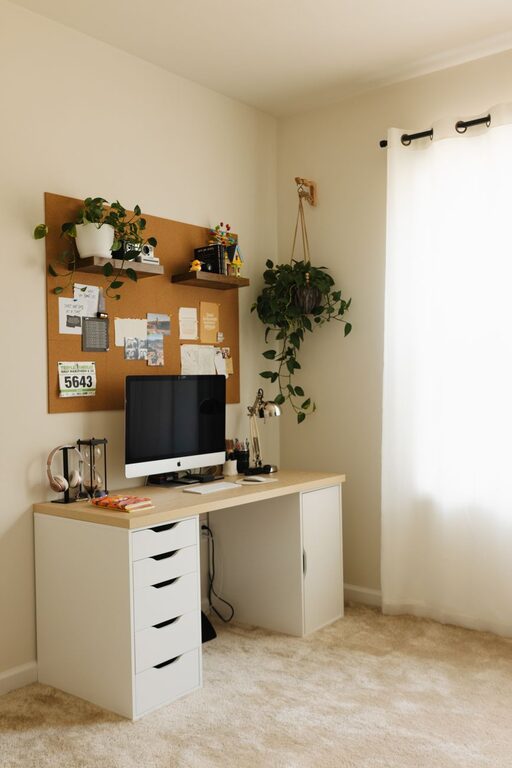
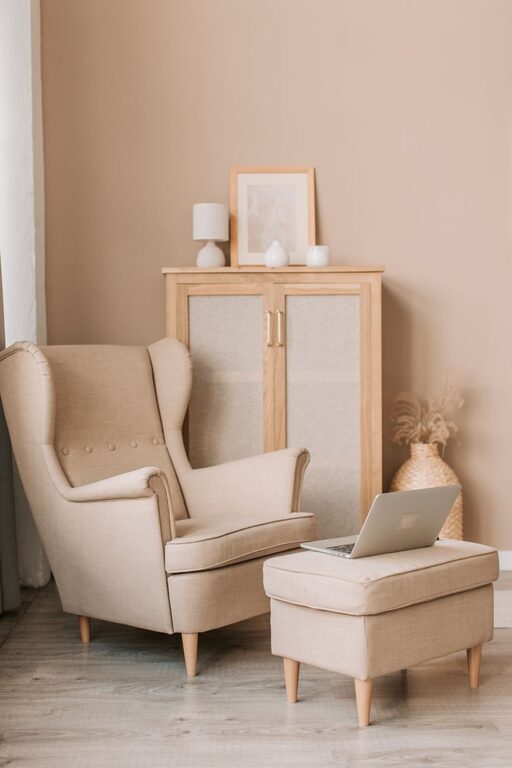
Creating a cozy and inviting home workspace is essential for staying motivated and productive, whether you work from home full-time or occasionally. Your workspace should be a place where you feel comfortable, focused, and inspired. In this post, we’ll explore practical tips and ideas to help you design a home office that meets your needs and invites you to settle in and enjoy your workday.
Choose the Right Location
Finding the best spot for your home workspace is the first step. Ideally, select a quiet area with minimal distractions. If possible, choose a space with natural light, such as near a window, as daylight can improve mood and focus.
Consider these factors:
– Avoid high-traffic areas to reduce interruptions.
– Think about proximity to necessary tools, like your printer or filing cabinets.
– If space is limited, consider multi-functional areas like a corner in your living room or bedroom.
Invest in Comfortable Furniture
Comfort is key for any workspace. Choosing the right furniture not only supports your body but also helps you focus longer without discomfort.
Essential pieces include:
– Ergonomic Chair: Supports your back and encourages good posture.
– Desk: Should be at a comfortable height with enough surface space.
– Footrest: Helps maintain good circulation if your feet don’t touch the floor.
Opt for furniture that blends with your home decor, so the space feels like a natural part of your home, not an office.
Optimize Lighting
Lighting can drastically affect your workspace atmosphere and productivity.
Tips for lighting:
– Utilize natural light as much as possible during the day.
– Add a desk lamp with adjustable brightness for focused tasks.
– Choose warm or neutral white bulbs to create a cozy atmosphere.
– Avoid harsh overhead lighting that can cause eye strain.
Add Personal Touches
To make your workspace inviting, personalize the area with items that inspire you without causing distraction.
Some ideas include:
– Family photos or artwork.
– Plants or fresh flowers to add color and life.
– Inspirational quotes or a vision board.
– A small decorative object or two for visual interest.
Personal touches create warmth and make you look forward to working in your space each day.
Keep It Organized
A cluttered workspace can make it harder to concentrate and feel at ease. Use smart organization strategies to keep your area tidy.
Organization tips:
– Use desk organizers, trays, or drawers to store supplies.
– Keep only essentials on your desk.
– Implement cable management solutions to avoid tangled cords.
– Regularly declutter to maintain a clean surface.
Clear spaces help clear your mind, making your workspace more inviting.
Incorporate Soothing Colors and Textures
The color scheme and textures around your workspace influence your mood and comfort level.
Consider:
– Soft, neutral colors like beige, pastels, or soft blues to create a calming environment.
– Textured fabrics on cushions, rugs, or curtains for a cozy feel.
– Avoid overly stimulating colors or patterns that could be distracting.
A well-considered color palette can make your workspace a pleasant place to spend time.
Use Functional Accessories
Adding the right accessories can improve both aesthetics and practical function.
Examples:
– A quality water bottle or mug to stay hydrated.
– A whiteboard or corkboard for jotting down ideas and reminders.
– Noise-canceling headphones if you need to block sounds.
– A cozy throw or seat cushion for added comfort.
These additions provide comfort and support your workflow.
Create a Routine and Boundaries
Even the most inviting workspace won’t guarantee productivity without good habits.
Tips:
– Designate specific work hours to maintain balance.
– Take breaks to stretch or relax to avoid burnout.
– Communicate your workspace’s purpose to others in your home to minimize interruptions.
When your workspace feels special, it’s easier to respect it as your focus zone.
Final Thoughts
Designing a cozy and inviting home workspace doesn’t require a complete overhaul. Small, thoughtful changes can make a big difference in how you feel and work. By choosing the right location, comfortable furniture, good lighting, and personal touches, along with keeping things organized and setting clear routines, you can create a workspace that supports your productivity and well-being.
Start with one or two ideas and build your perfect home office gradually — you’ll be surprised at how much a comfortable space can improve your workday!